How to Become a Film & TV Makeup Artist in Hong Kong: The Ultimate Career Guide
Blog/Career Guide

How to Become a Film & TV Makeup Artist in Hong Kong: The Ultimate Career Guide

4 May 202613 min readBy Canvas Academy

How to Become a Film/TV Makeup Artist in Hong Kong: A Comprehensive Guide

Hong Kong’s dynamic film and television industry has long been a hub for creativity and innovation, producing some of Asia’s most iconic movies and TV shows. Behind every successful production is a talented team of professionals, and among them, the film makeup artist Hong Kong plays a crucial role in bringing characters to life on screen. If you are passionate about beauty, creativity, and storytelling, a career as a film or TV makeup artist could be your perfect fit. This guide dives deep into how you can become a successful makeup artist specializing in film and TV production styling in Hong Kong, covering everything from the essential skills and qualifications to industry insights and career growth opportunities.
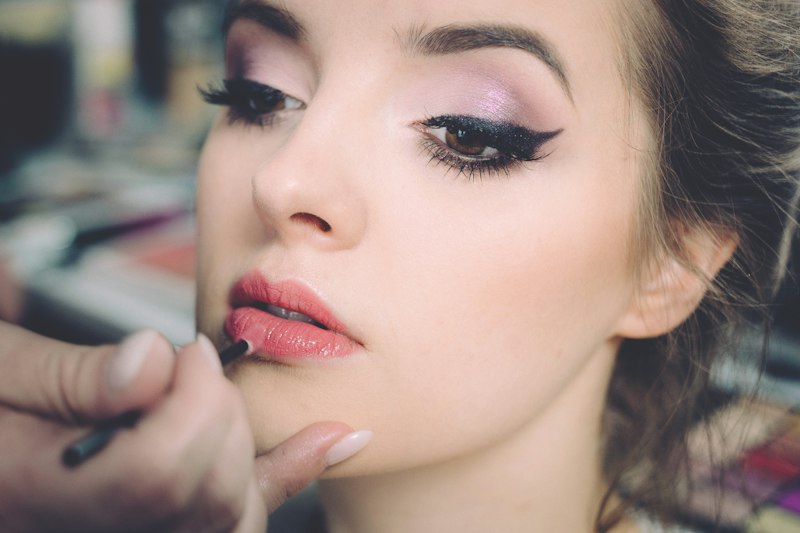
Makeup artist applying camera-ready makeup on actress for film production

Understanding the Hong Kong Film and TV Makeup Industry

The Hong Kong film and television market is vibrant and fast-paced, with a rich history dating back to the 1950s. Local productions often blend traditional Cantonese culture with modern storytelling techniques, requiring makeup artists to be versatile and culturally aware. The industry demands professionals who can handle diverse roles—from subtle beauty makeup to complex character transformations involving prosthetics or special effects makeup.

In Hong Kong, a TV production stylist or film makeup artist must collaborate closely with directors, costume designers, and cinematographers to ensure the visual consistency of characters across scenes and episodes. The need for camera-ready makeup techniques is paramount, as high-definition cameras reveal every detail, making flawless application and continuity critical.

Professional makeup artist working on actor's face on a TV set in Hong Kong

Essential Qualifications and Training for Aspiring Film Makeup Artists

While there is no single mandatory qualification to become a film or TV makeup artist in Hong Kong, formal education and professional training can significantly enhance your skill set and credibility. Many successful makeup artists start their journey by enrolling in a reputable makeup course Hong Kong offers, which typically include modules on beauty makeup, special effects, hairstyling, and hygiene practices.

These courses provide hands-on experience with professional products, learning the nuances of lighting and camera effects on makeup, and understanding the importance of skin types and products suited for long shoots. Additionally, courses often cover the basics of prosthetics and special effects makeup, which are invaluable for film roles requiring injuries, aging, or fantasy characters.

Beyond formal courses, many makeup artists gain experience through apprenticeships or internships with established professionals in the industry. This on-the-job training is crucial for learning the realities of working under the demanding conditions of a film or TV set.

Makeup artist practicing camera-ready makeup techniques on model in studio

Building a Strong Portfolio and Showreel

In the competitive world of film and television, your portfolio and showreel are your most powerful marketing tools. Your portfolio should display a diverse range of makeup styles—from natural beauty looks for television presenters to elaborate special effects for movie characters. Including before-and-after photos can demonstrate your transformative skills effectively.

For aspiring film makeup artist Hong Kong professionals, creating a video showreel showcasing your work on set or in studio is invaluable. This reel should highlight your ability to apply consistent makeup under various lighting situations, your speed and efficiency, and your teamwork skills. Collaborate with local filmmakers, photographers, and actors to create real-world projects that can be added to your reel.

Case Study: Renowned Hong Kong makeup artist, Mei Ling, began her career by volunteering for indie film projects, gradually building a portfolio that caught the attention of major studios. Her reel showcased her expertise in continuity makeup and period-accurate styling, which led to her working on blockbuster films like Infernal Affairs and popular TV dramas.
Close-up of makeup artist applying special effects makeup on actor for film role

Mastering Camera-Ready Makeup Techniques

Makeup for film and television is distinct from everyday makeup due to the demands of high-definition cameras and intense lighting. The goal is to enhance the actor’s features while maintaining a natural look that reads well on screen. Understanding how different light sources—such as tungsten, LED, or natural light—affect makeup appearance is essential.

Techniques such as contouring, highlighting, and color correction are used to balance skin tones and reduce shine, preventing the “washed out” look on camera. Additionally, makeup artists must be adept at using long-lasting, smudge-proof products that withstand heat and sweat during shoots.

For example, when working on a historical drama, subtlety is key to maintain authenticity without appearing exaggerated under close-up shots. Conversely, fantasy productions might require bolder colors and textures to bring supernatural characters to life.

Makeup artist blending foundation on actress for television production in Hong Kong

The Art of Continuity Makeup in Film and TV

Continuity makeup is one of the most critical but often overlooked skills in film and TV production. Since scenes are rarely shot in chronological order, maintaining consistent makeup looks throughout different shooting days is essential to avoid jarring visual discrepancies.

Makeup artists in Hong Kong’s film industry meticulously document each actor’s makeup application with photos and detailed notes. They record product brands, shades, application techniques, and even environmental factors that might affect the makeup’s appearance. This documentation ensures that when shooting resumes weeks later, the actor’s appearance remains seamless.

Working closely with continuity supervisors and directors, makeup artists adapt to last-minute script changes or reshoots, demonstrating flexibility and problem-solving under pressure.

Film makeup artist maintaining continuity on actor's look during TV shoot in Hong Kong

Introduction to Special Effects Makeup Basics

Special effects makeup is a specialized field requiring technical skills and creativity. In Hong Kong’s film industry, where action and fantasy genres are popular, knowledge of prosthetics, fake blood, latex applications, and 3D makeup effects is highly desirable.

Many makeup artists pursue advanced workshops or certifications in special effects makeup to expand their portfolio. This expertise allows them to work on projects involving injuries, aging, creatures, or sci-fi characters, elevating their career potential.

Example: The Hong Kong action film Flash Point involved complex wound simulations and bruising effects that required a team of skilled special effects makeup artists. Mastery of these techniques not only enhances the visual storytelling but also increases a makeup artist’s value in the market.
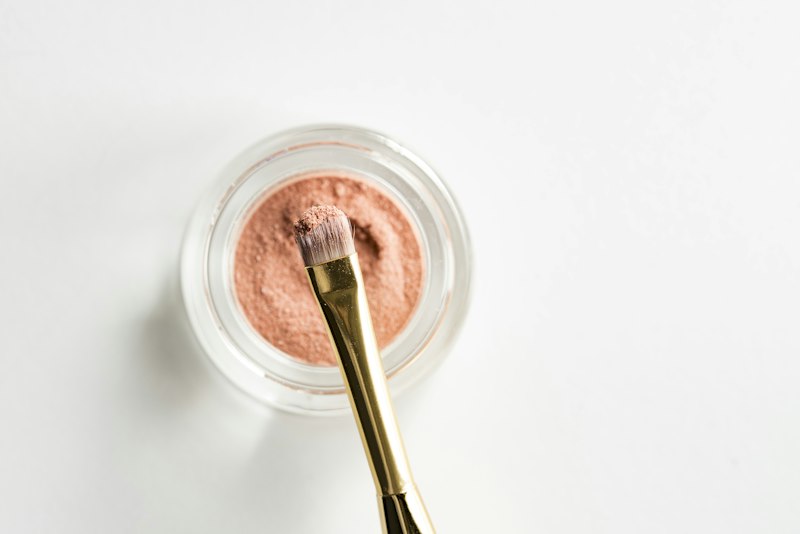
Close-up of special effects makeup tools and prosthetics used in film production

Networking and Working with Directors and Production Teams

Building strong professional relationships is essential for success in the Hong Kong film and TV makeup industry. Directors and producers often rely on trusted makeup artists who understand their vision and can deliver consistent results under tight schedules.

Joining industry events, film festivals, and makeup artist associations in Hong Kong can open doors to valuable connections. Many makeup artists find regular work through referrals and collaborations with local TV stations such as TVB or film production companies.

Effective communication and adaptability are crucial qualities when working on set. Makeup artists must be receptive to feedback, able to work in high-pressure environments, and willing to collaborate closely with costume and lighting departments to achieve the desired on-screen look.

Makeup artist consulting with film director on set during Hong Kong TV production

Career Progression and Opportunities in Hong Kong

The career path for a film or TV makeup artist in Hong Kong can be highly rewarding and diverse. Entry-level roles often involve assisting established makeup artists or working on smaller productions and commercials. Over time, as you build your reputation and portfolio, opportunities arise to work on larger film sets and high-profile television dramas.

Experienced makeup artists may specialize further, becoming experts in either beauty makeup, prosthetics, or hairstyling. Some progress into supervisory roles such as Head Makeup Artist or Production Stylist, overseeing entire makeup departments and mentoring junior artists.

Freelance work is common, and many professionals combine film and TV makeup with makeup artist out job Hong Kong opportunities such as weddings, fashion shows, and corporate events to diversify income streams.

The Hong Kong government and film organizations occasionally offer grants and training programs to support professionals in the creative industry, providing additional avenues for growth and advancement.

Final Thoughts

Becoming a film makeup artist Hong Kong trusts to create camera-ready looks requires dedication, continuous learning, and a deep understanding of both artistry and technical skills. By investing in quality training, building a diverse portfolio, mastering continuity and special effects makeup, and networking effectively within the industry, you can carve out a successful and fulfilling career in this exciting field. Whether you dream of working behind the scenes on blockbuster films or hit TV dramas, Hong Kong’s thriving entertainment industry offers abundant opportunities for talented makeup artists ready to make their mark.
Share
film makeup artist Hong KongTV production stylistcamera-ready makeup techniquesmovie makeup artist

Comprehensive Guide to Hair & Beauty Excellence

Welcome to the Canvas Academy Beauty Journal, your ultimate resource for mastering the art of hair and beauty. Whether you are an aspiring stylist, a seasoned professional looking to refine your skills, or simply a beauty enthusiast eager to learn the latest trends, our comprehensive guides and articles are designed to inspire and educate. In this extended section, we delve deep into the core principles of hair styling, coloring techniques, makeup artistry, and professional salon management. Our mission is to empower you with the knowledge and confidence needed to excel in the dynamic and ever-evolving beauty industry.

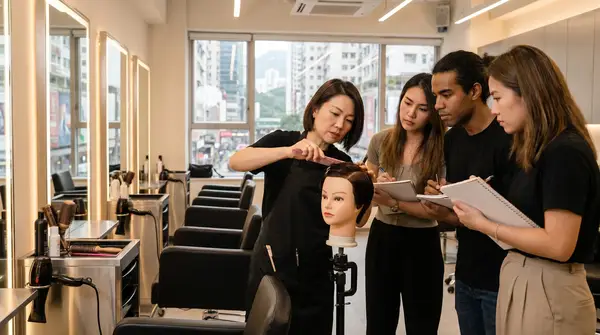
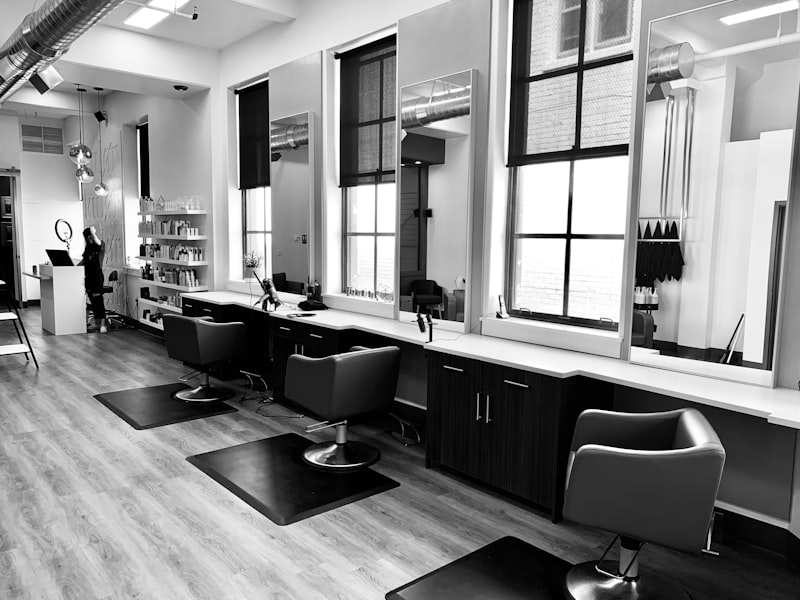
Professional hair salon environment

The Foundations of Professional Hair Styling

Hair styling is both an art and a science. It requires a deep understanding of hair texture, face shapes, and the chemical properties of various hair products. A successful stylist must be able to visualize the end result before making the first cut. This involves thorough consultations with clients to understand their lifestyle, preferences, and maintenance capabilities. From classic bobs to intricate updos, mastering the foundational techniques is crucial. We emphasize the importance of precision cutting, proper tool handling, and the strategic use of styling products to achieve long-lasting, flawless results.

Furthermore, understanding the anatomy of hair is essential. The hair shaft consists of the cuticle, cortex, and medulla. The condition of the cuticle determines the hair's shine and smoothness, while the cortex holds the hair's pigment and strength. By educating our students on these biological aspects, we ensure they can make informed decisions when selecting treatments and styling methods, ultimately preserving the health and integrity of the client's hair.

Advanced hair coloring techniques

Advanced Hair Coloring Techniques

Coloring is one of the most transformative services offered in a salon. It ranges from subtle highlights to bold, fashion-forward hues. Achieving the perfect color requires a solid grasp of color theory, including the color wheel, underlying pigments, and the effects of developer volumes. Techniques such as balayage, ombré, and foil highlights each demand a unique approach and precise application. Balayage, for instance, involves freehand painting to create a natural, sun-kissed look, while foils are used for more structured, uniform color placement.

Safety and hair health are paramount during chemical processes. We teach our students how to perform patch tests, assess hair porosity, and formulate colors that minimize damage. The use of bond builders and deep conditioning treatments is also integrated into our curriculum to ensure that the hair remains strong and vibrant post-color. Staying updated with the latest color trends and product innovations is vital for any colorist aiming to provide top-tier services.

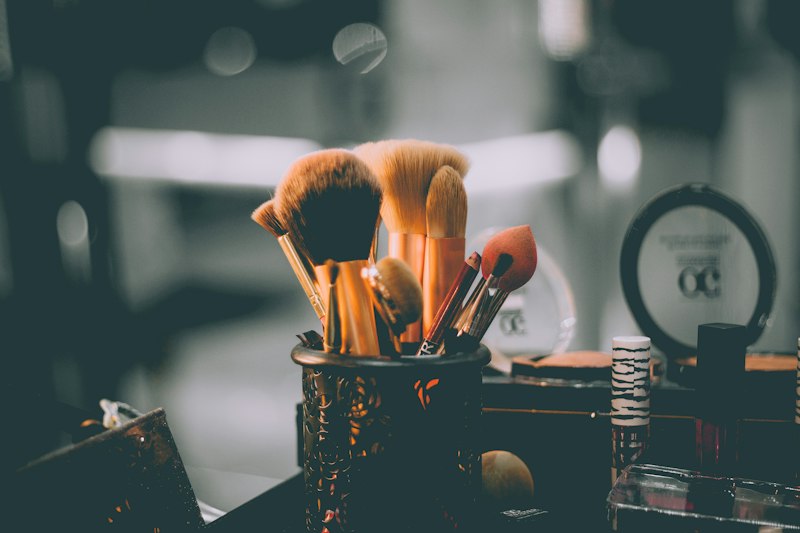
Professional makeup artistry

Mastering Makeup Artistry

Makeup artistry goes beyond simply applying products; it is about enhancing natural beauty and creating diverse looks for various occasions. A professional makeup artist must be versatile, capable of executing everything from a flawless bridal look to avant-garde editorial styles. Understanding skin types, undertones, and facial anatomy is the first step in creating a customized makeup plan for each client. Proper skin preparation, including cleansing, toning, and moisturizing, lays the foundation for a smooth and enduring application.

Our training covers a wide array of techniques, including contouring, highlighting, color correcting, and intricate eye makeup designs. We also emphasize the importance of hygiene and sanitation, teaching students how to properly clean and disinfect their tools to prevent cross-contamination. Building a professional makeup kit with high-quality, versatile products is another critical aspect of our curriculum, ensuring our graduates are fully equipped to handle any client request with confidence and skill.

Beauty training and education

The Importance of Continuous Beauty Education

The beauty industry is characterized by rapid changes and continuous innovation. New techniques, products, and trends emerge constantly, making lifelong learning a necessity for any beauty professional. At Canvas Academy, we believe that education does not end upon graduation. We encourage our alumni and all beauty practitioners to engage in ongoing training, attend workshops, and participate in industry events to stay ahead of the curve.

Continuous education not only enhances technical skills but also boosts creativity and inspiration. It provides opportunities to network with peers, learn from industry leaders, and discover new tools that can elevate one's craft. Whether it's mastering a new hair extension method, learning the latest skincare protocols, or understanding the business side of running a salon, investing in education is investing in one's career longevity and success.

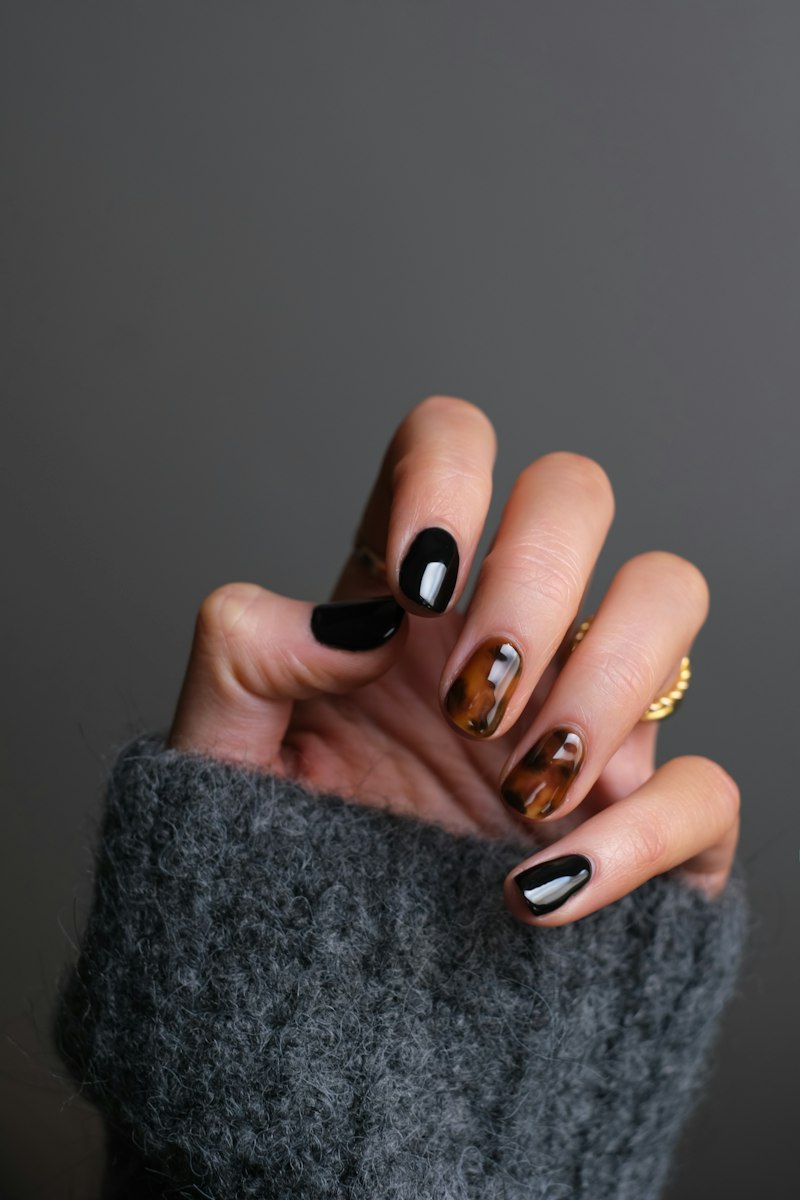
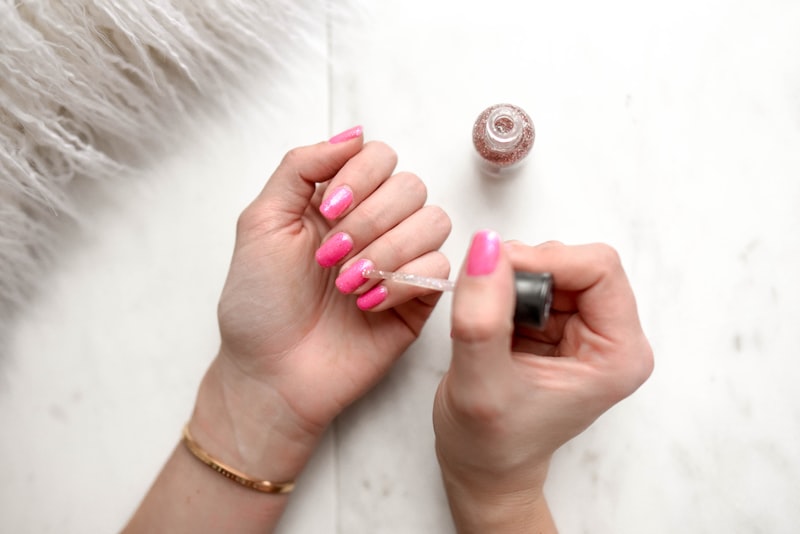
Professional nail care and design

Nail Care and Design Excellence

Nail care is a meticulous and highly sought-after service in the beauty sector. A professional nail technician must possess a steady hand, an eye for detail, and a thorough understanding of nail health and anatomy. Our comprehensive guides cover everything from basic manicures and pedicures to advanced acrylic and gel extensions. We emphasize the importance of proper nail preparation, cuticle care, and the safe removal of enhancements to prevent damage to the natural nail.

Nail art has evolved into a sophisticated form of self-expression. From intricate hand-painted designs to 3D embellishments, the possibilities are endless. We provide our students with the skills to execute current trends while encouraging them to develop their unique artistic style. Furthermore, strict adherence to sanitation protocols is paramount in nail services to ensure the health and safety of both the technician and the client.

Wig styling and maintenance

Wig Styling and Maintenance

Wigs and hairpieces offer incredible versatility and are an essential component of modern hair styling. Whether used for fashion, theatrical purposes, or medical hair loss, the ability to properly style and maintain wigs is a valuable skill. Our curriculum includes detailed instruction on the different types of wigs, such as synthetic and human hair, and the specific care routines required for each. Students learn how to customize wigs through cutting, coloring, and styling to achieve a natural and seamless look.

Proper maintenance is crucial for extending the lifespan of a wig. We cover techniques for washing, conditioning, and storing wigs to prevent tangling and damage. Additionally, we educate our students on the various methods of wig application and securing, ensuring maximum comfort and confidence for the wearer. By mastering wig styling, our graduates can offer a broader range of services and cater to a diverse clientele with unique needs.

General beauty and wellness

Building a Successful Career in Beauty

Technical skills alone are not enough to guarantee success in the beauty industry; business acumen and exceptional customer service are equally important. A successful beauty professional must know how to market their services, build a loyal client base, and manage their time effectively. We provide comprehensive training on the business aspects of the industry, including pricing strategies, social media marketing, and client retention techniques.

Building strong relationships with clients is the cornerstone of a thriving beauty business. We emphasize the importance of active listening, empathy, and clear communication during consultations. By understanding and exceeding client expectations, beauty professionals can foster trust and loyalty, leading to repeat business and positive referrals. At Canvas Academy, we are committed to equipping our students with the holistic skill set required to flourish in their chosen careers and make a lasting impact in the world of beauty.

Frequently Asked Questions (FAQ)

What are the essential skills needed to become a successful hair stylist?

To succeed as a hair stylist, one needs a combination of technical proficiency in cutting, coloring, and styling, along with strong communication skills, creativity, and a solid understanding of hair biology and chemistry. Continuous learning and adaptability to new trends are also crucial.

How can I maintain the health of my hair after chemical treatments?

Maintaining hair health post-treatment involves using sulfate-free shampoos, incorporating deep conditioning masks into your routine, minimizing heat styling, and getting regular trims. Professional bond-building treatments can also help restore the hair's structural integrity.

What is the difference between balayage and traditional highlights?

Balayage is a freehand painting technique that creates a soft, natural, sun-kissed gradient, usually requiring less maintenance. Traditional highlights use foils to isolate strands of hair, resulting in a more uniform and pronounced color contrast from root to tip.

Why is continuous education important in the beauty industry?

The beauty industry evolves rapidly with new trends, products, and techniques. Continuous education ensures that professionals stay current, refine their skills, and can offer the latest and most effective services to their clients, thereby maintaining a competitive edge.

How do I choose the right makeup products for my skin type?

Choosing the right makeup starts with identifying your skin type (e.g., oily, dry, combination, sensitive). For oily skin, matte and oil-free formulas work best, while dry skin benefits from hydrating, dewy finishes. Always test products and consider consulting a professional makeup artist for personalized recommendations.

Start Your Journey

Ready to Learn?

Explore our professional courses and take the first step towards a rewarding career in the beauty industry.

除了恆常班課程外,所有課程均可安排獨立開班單對單上課
了解更多優惠