Grey Hair Colouring Guide 2026 | Best Techniques for Covering Grey Hair & Colour Choices
Blog/Techniques

Grey Hair Colouring Guide 2026 | Best Techniques for Covering Grey Hair & Colour Choices

13 May 202613 min readBy Canvas Academy

Grey Hair Colouring Guide 2026 | Best Techniques for Covering Grey Hair & Colour Choices

As we age, our hair naturally loses its pigment, leading to the appearance of grey or white hair. While some embrace their silver strands, many prefer to cover them up or blend them seamlessly with their natural colour. If you're looking for the best ways to manage your grey hair, you've come to the right place. In this comprehensive grey hair colouring guide, we will explore the causes of grey hair, professional techniques for covering grey hair, the best white hair colour options, and how to maintain your gorgeous new look.
Professional grey hair colouring at a salon

Understanding the Causes of Grey and White Hair

Before diving into the world of grey hair dye and colouring techniques, it's essential to understand why our hair turns grey in the first place. The colour of our hair is determined by a pigment called melanin, which is produced by specialized cells called melanocytes. As we grow older, these melanocytes gradually decrease their melanin production, resulting in hair that appears grey, silver, or white.

While aging is the primary factor, genetics also play a significant role in determining when and how quickly you'll go grey. Other factors that can contribute to premature greying include stress, nutritional deficiencies (such as a lack of vitamin B12), smoking, and certain medical conditions. Regardless of the cause, there are numerous ways to address and style your grey hair to suit your personal preferences.
Woman with beautiful silver hair

Professional Grey Hair Colouring Techniques

When it comes to covering grey hair, visiting a professional salon is often the best choice. Experienced stylists have the knowledge and tools to create a customized look that complements your skin tone and lifestyle. Here are some of the most popular professional techniques for managing grey hair:

1. Full Colour Coverage

If you want to completely conceal your grey hair and achieve a uniform, solid colour, full colour coverage is the way to go. This technique involves applying a permanent hair dye from the roots to the ends, ensuring that every strand is saturated with colour. Permanent dyes are particularly effective for stubborn greys, as they penetrate the hair shaft and provide long-lasting results.

When opting for full colour coverage, it's crucial to choose a shade that flatters your complexion. Your stylist can help you select the perfect hue, whether you want to match your natural colour or try something entirely new. Keep in mind that full colour coverage requires regular touch-ups every 4 to 6 weeks to maintain a seamless look as your roots grow out.

Stylist applying grey hair dye

2. Highlights and Lowlights

For a more natural, multi-dimensional look, highlights and lowlights are excellent options. Instead of covering all your hair with a single colour, your stylist will strategically weave lighter (highlights) and darker (lowlights) shades throughout your hair. This technique helps to blend the grey strands with the rest of your hair, creating a beautiful, textured appearance.

Highlights and lowlights are particularly effective for those with a lower percentage of grey hair or those who want a lower-maintenance option. As your hair grows, the regrowth is less noticeable compared to full colour coverage, allowing you to go longer between salon visits. If you're interested in learning more about different colouring methods, check out our guide on hair colouring techniques.

3. Grey Blending

Grey blending is a fantastic technique for those who want to embrace their grey hair while adding depth and dimension. Instead of completely covering the greys, your stylist will use a demi-permanent or semi-permanent colour to subtly blend the grey strands with your natural colour. This creates a softer, more gradual transition and reduces the stark contrast between the grey and pigmented hair.

Grey blending is a low-commitment option that fades gracefully over time, making it ideal for those who want to experiment with colour without the harsh regrowth line. It's also a great way to transition to fully grey hair if you've been colouring your hair for years and are ready to embrace your natural silver.

Elegant white hair colour options

Best Colour Choices for Grey Hair

Choosing the right colour to cover or blend your grey hair is crucial for achieving a flattering and youthful look. The best white hair colour options will depend on your skin tone, eye colour, and personal style. Here are some popular colour choices for grey hair:

  • Ash Blonde: Ash blonde shades are excellent for blending grey hair, as the cool tones help to neutralize any unwanted brassiness. This colour is particularly flattering for those with cool or neutral skin tones.
  • Soft Brunette: If you prefer a darker look, a soft, multi-dimensional brunette can provide excellent coverage while adding warmth to your complexion. Avoid shades that are too dark or flat, as they can look harsh against aging skin.
  • Warm Copper or Red: For a bold and vibrant look, warm copper or red shades can beautifully complement grey hair. These colours add a youthful glow to the skin and are perfect for those with warm undertones.
  • Silver or Platinum: If you want to fully embrace your grey hair, enhancing it with a silver or platinum toner can create a stunning, sophisticated look. This option requires regular maintenance to keep the colour looking bright and prevent yellowing.

If you're unsure which colour will suit you best, consult with a professional stylist at our Central haircut salon. They can assess your features and recommend the perfect shade to enhance your natural beauty.
Woman with stylish grey hair colouring

Salon vs. At-Home Grey Coverage Comparison

While at-home hair dye kits are convenient and budget-friendly, they often fall short when it comes to effectively covering grey hair. Here's a comparison table highlighting the differences between salon and at-home grey coverage:

Feature Salon Colouring At-Home Colouring
Customization Tailored to your specific hair type, skin tone, and desired look. One-size-fits-all approach with limited shade options.
Coverage Excellent coverage, even for stubborn, coarse grey hair. Can be inconsistent, often leaving some greys uncovered or translucent.
Damage Control Professionals use high-quality products and techniques to minimize damage. Higher risk of damage due to overlapping colour or using harsh formulas.
Longevity Long-lasting results with even fading. May fade quickly or unevenly, requiring more frequent applications.
Expertise Access to professional advice, colour correction, and advanced techniques. Relies on your own skills and knowledge, which can lead to mistakes.

For the best results and the health of your hair, we highly recommend visiting a professional salon for your grey hair colouring needs. If you're interested in learning the art of hair colouring yourself, consider enrolling in one of our professional courses, such as our comprehensive balayage training program.

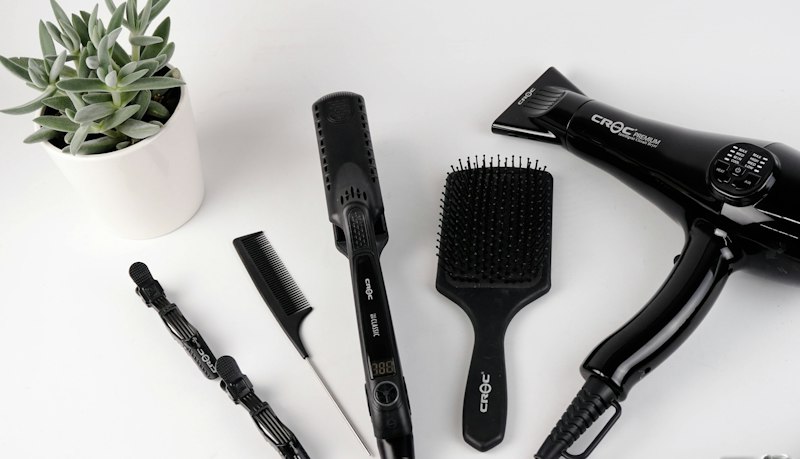
Professional hair salon tools for grey hair dye

Aftercare for Coloured Grey Hair

Once you've achieved your desired look, proper aftercare is essential to maintain the vibrancy and health of your coloured grey hair. Grey hair tends to be drier and more coarse than pigmented hair, so it requires extra TLC. Here are some tips for caring for your newly coloured locks:

  • Use Colour-Safe Products: Invest in high-quality, sulfate-free shampoos and conditioners specifically formulated for colour-treated hair. These products will help to preserve your colour and prevent premature fading.
  • Hydrate and Moisturize: To combat the natural dryness of grey hair, incorporate a deep conditioning treatment or hair mask into your weekly routine. This will help to keep your hair soft, manageable, and shiny.
  • Protect from Heat and Sun: Excessive heat styling and UV exposure can cause your colour to fade and your hair to become brittle. Always use a heat protectant spray before using hot tools, and wear a hat or use a UV-protectant hair product when spending time outdoors.
  • Schedule Regular Trims: Regular trims every 6 to 8 weeks will help to remove split ends and keep your hair looking healthy and fresh.
  • Use a Purple Shampoo: If you've opted for a blonde, silver, or platinum shade, using a purple shampoo once a week can help to neutralize any unwanted yellow or brassy tones, keeping your colour looking cool and bright.
Healthy and shiny coloured grey hair

Frequently Asked Questions (FAQ)

1. How often should I colour my grey hair?

The frequency of your colouring appointments will depend on the technique used and how quickly your hair grows. For full colour coverage, you'll typically need a root touch-up every 4 to 6 weeks. If you've opted for highlights, lowlights, or grey blending, you may be able to go 8 to 12 weeks between salon visits.

2. Can I transition from coloured hair to my natural grey?

Yes, transitioning to your natural grey is entirely possible, but it requires patience and the help of a professional stylist. Your stylist can use techniques like grey blending, highlights, or a colour remover to help ease the transition and minimize the harsh demarcation line between your coloured hair and your natural grey roots.

3. Why is grey hair so resistant to colour?

Grey hair often has a different texture than pigmented hair; it can be coarser and have a tighter cuticle layer. This makes it more difficult for the hair dye to penetrate the hair shaft and deposit colour. Professional stylists use specific formulas and techniques, such as pre-softening the hair or using a higher volume developer, to ensure effective coverage on stubborn greys.

4. Does plucking grey hairs cause more to grow back?

No, plucking a grey hair will not cause more grey hairs to grow in its place. However, plucking can damage the hair follicle, potentially leading to thinning hair or bald patches over time. It's best to leave your grey hairs alone or manage them with colouring techniques rather than plucking them.

Ready to Transform Your Grey Hair?

Don't let grey hair dull your confidence. Our expert stylists at Canvas Hair and Beauty Academy are here to help you achieve the perfect look, whether you want full coverage, subtle blending, or a stunning silver enhancement. Book your appointment today and let us work our magic!

Visit our Central salon to learn more about our services.
WhatsApp (852) 9651 7338

Share
grey hair colouringcovering grey hairgrey hair dye

Comprehensive Guide to Hair & Beauty Excellence

Welcome to the Canvas Academy Beauty Journal, your ultimate resource for mastering the art of hair and beauty. Whether you are an aspiring stylist, a seasoned professional looking to refine your skills, or simply a beauty enthusiast eager to learn the latest trends, our comprehensive guides and articles are designed to inspire and educate. In this extended section, we delve deep into the core principles of hair styling, coloring techniques, makeup artistry, and professional salon management. Our mission is to empower you with the knowledge and confidence needed to excel in the dynamic and ever-evolving beauty industry.

Professional hair salon environment

The Foundations of Professional Hair Styling

Hair styling is both an art and a science. It requires a deep understanding of hair texture, face shapes, and the chemical properties of various hair products. A successful stylist must be able to visualize the end result before making the first cut. This involves thorough consultations with clients to understand their lifestyle, preferences, and maintenance capabilities. From classic bobs to intricate updos, mastering the foundational techniques is crucial. We emphasize the importance of precision cutting, proper tool handling, and the strategic use of styling products to achieve long-lasting, flawless results.

Furthermore, understanding the anatomy of hair is essential. The hair shaft consists of the cuticle, cortex, and medulla. The condition of the cuticle determines the hair's shine and smoothness, while the cortex holds the hair's pigment and strength. By educating our students on these biological aspects, we ensure they can make informed decisions when selecting treatments and styling methods, ultimately preserving the health and integrity of the client's hair.

Advanced hair coloring techniques

Advanced Hair Coloring Techniques

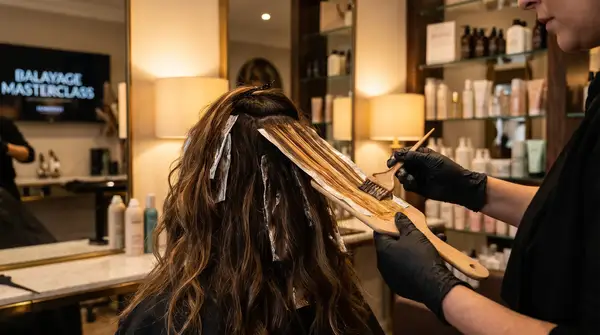
Coloring is one of the most transformative services offered in a salon. It ranges from subtle highlights to bold, fashion-forward hues. Achieving the perfect color requires a solid grasp of color theory, including the color wheel, underlying pigments, and the effects of developer volumes. Techniques such as balayage, ombré, and foil highlights each demand a unique approach and precise application. Balayage, for instance, involves freehand painting to create a natural, sun-kissed look, while foils are used for more structured, uniform color placement.

Safety and hair health are paramount during chemical processes. We teach our students how to perform patch tests, assess hair porosity, and formulate colors that minimize damage. The use of bond builders and deep conditioning treatments is also integrated into our curriculum to ensure that the hair remains strong and vibrant post-color. Staying updated with the latest color trends and product innovations is vital for any colorist aiming to provide top-tier services.

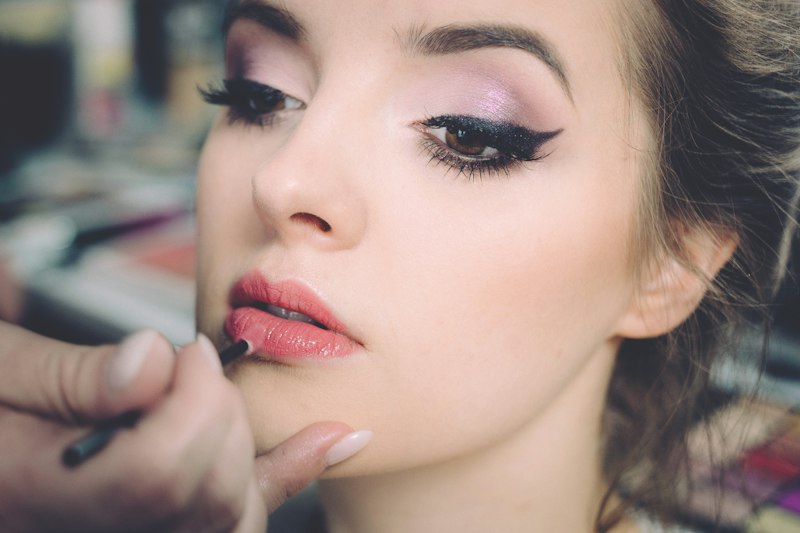
Professional makeup artistry

Mastering Makeup Artistry

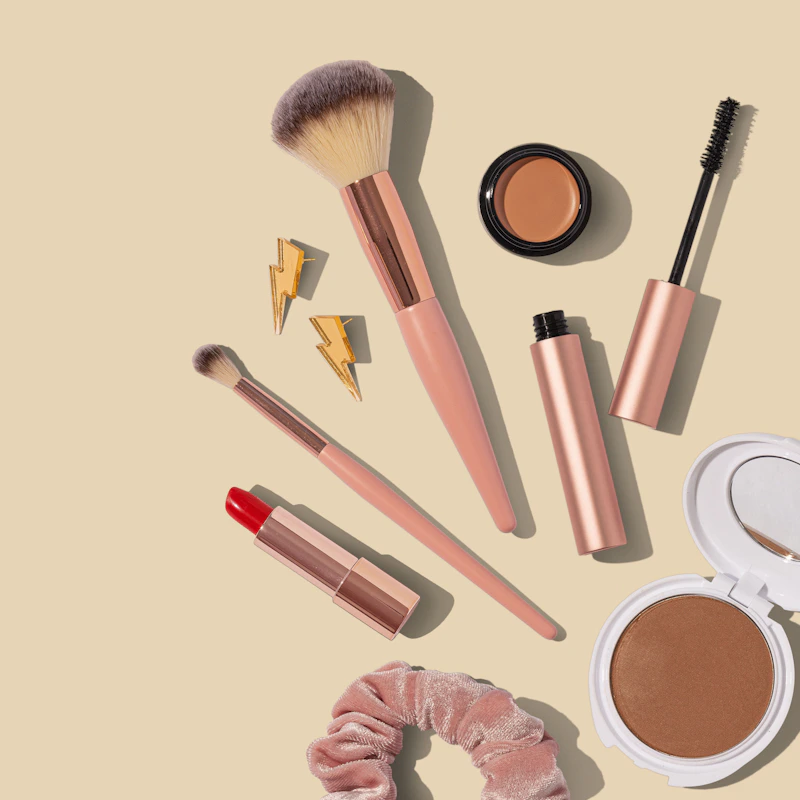
Makeup artistry goes beyond simply applying products; it is about enhancing natural beauty and creating diverse looks for various occasions. A professional makeup artist must be versatile, capable of executing everything from a flawless bridal look to avant-garde editorial styles. Understanding skin types, undertones, and facial anatomy is the first step in creating a customized makeup plan for each client. Proper skin preparation, including cleansing, toning, and moisturizing, lays the foundation for a smooth and enduring application.

Our training covers a wide array of techniques, including contouring, highlighting, color correcting, and intricate eye makeup designs. We also emphasize the importance of hygiene and sanitation, teaching students how to properly clean and disinfect their tools to prevent cross-contamination. Building a professional makeup kit with high-quality, versatile products is another critical aspect of our curriculum, ensuring our graduates are fully equipped to handle any client request with confidence and skill.

Beauty training and education

The Importance of Continuous Beauty Education

The beauty industry is characterized by rapid changes and continuous innovation. New techniques, products, and trends emerge constantly, making lifelong learning a necessity for any beauty professional. At Canvas Academy, we believe that education does not end upon graduation. We encourage our alumni and all beauty practitioners to engage in ongoing training, attend workshops, and participate in industry events to stay ahead of the curve.

Continuous education not only enhances technical skills but also boosts creativity and inspiration. It provides opportunities to network with peers, learn from industry leaders, and discover new tools that can elevate one's craft. Whether it's mastering a new hair extension method, learning the latest skincare protocols, or understanding the business side of running a salon, investing in education is investing in one's career longevity and success.

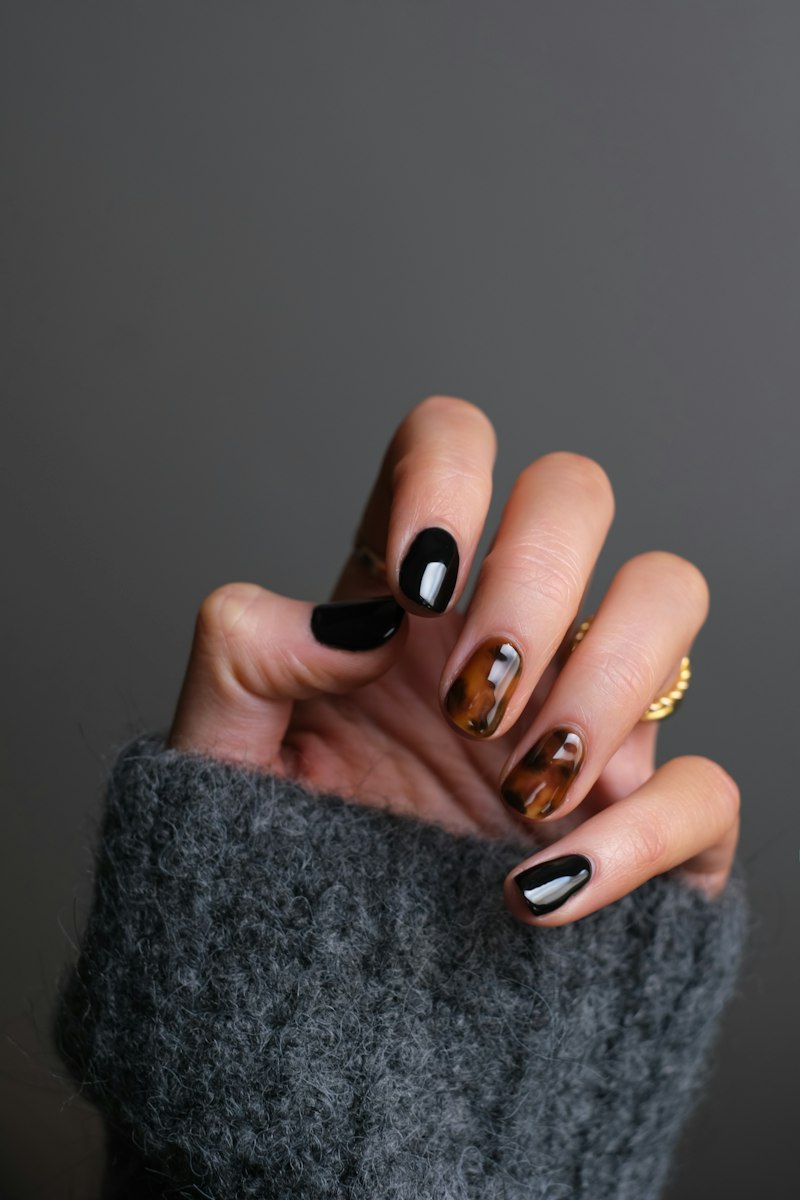
Professional nail care and design

Nail Care and Design Excellence

Nail care is a meticulous and highly sought-after service in the beauty sector. A professional nail technician must possess a steady hand, an eye for detail, and a thorough understanding of nail health and anatomy. Our comprehensive guides cover everything from basic manicures and pedicures to advanced acrylic and gel extensions. We emphasize the importance of proper nail preparation, cuticle care, and the safe removal of enhancements to prevent damage to the natural nail.

Nail art has evolved into a sophisticated form of self-expression. From intricate hand-painted designs to 3D embellishments, the possibilities are endless. We provide our students with the skills to execute current trends while encouraging them to develop their unique artistic style. Furthermore, strict adherence to sanitation protocols is paramount in nail services to ensure the health and safety of both the technician and the client.

Wig styling and maintenance

Wig Styling and Maintenance

Wigs and hairpieces offer incredible versatility and are an essential component of modern hair styling. Whether used for fashion, theatrical purposes, or medical hair loss, the ability to properly style and maintain wigs is a valuable skill. Our curriculum includes detailed instruction on the different types of wigs, such as synthetic and human hair, and the specific care routines required for each. Students learn how to customize wigs through cutting, coloring, and styling to achieve a natural and seamless look.

Proper maintenance is crucial for extending the lifespan of a wig. We cover techniques for washing, conditioning, and storing wigs to prevent tangling and damage. Additionally, we educate our students on the various methods of wig application and securing, ensuring maximum comfort and confidence for the wearer. By mastering wig styling, our graduates can offer a broader range of services and cater to a diverse clientele with unique needs.

General beauty and wellness

Building a Successful Career in Beauty

Technical skills alone are not enough to guarantee success in the beauty industry; business acumen and exceptional customer service are equally important. A successful beauty professional must know how to market their services, build a loyal client base, and manage their time effectively. We provide comprehensive training on the business aspects of the industry, including pricing strategies, social media marketing, and client retention techniques.

Building strong relationships with clients is the cornerstone of a thriving beauty business. We emphasize the importance of active listening, empathy, and clear communication during consultations. By understanding and exceeding client expectations, beauty professionals can foster trust and loyalty, leading to repeat business and positive referrals. At Canvas Academy, we are committed to equipping our students with the holistic skill set required to flourish in their chosen careers and make a lasting impact in the world of beauty.

Frequently Asked Questions (FAQ)

What are the essential skills needed to become a successful hair stylist?

To succeed as a hair stylist, one needs a combination of technical proficiency in cutting, coloring, and styling, along with strong communication skills, creativity, and a solid understanding of hair biology and chemistry. Continuous learning and adaptability to new trends are also crucial.

How can I maintain the health of my hair after chemical treatments?

Maintaining hair health post-treatment involves using sulfate-free shampoos, incorporating deep conditioning masks into your routine, minimizing heat styling, and getting regular trims. Professional bond-building treatments can also help restore the hair's structural integrity.

What is the difference between balayage and traditional highlights?

Balayage is a freehand painting technique that creates a soft, natural, sun-kissed gradient, usually requiring less maintenance. Traditional highlights use foils to isolate strands of hair, resulting in a more uniform and pronounced color contrast from root to tip.

Why is continuous education important in the beauty industry?

The beauty industry evolves rapidly with new trends, products, and techniques. Continuous education ensures that professionals stay current, refine their skills, and can offer the latest and most effective services to their clients, thereby maintaining a competitive edge.

How do I choose the right makeup products for my skin type?

Choosing the right makeup starts with identifying your skin type (e.g., oily, dry, combination, sensitive). For oily skin, matte and oil-free formulas work best, while dry skin benefits from hydrating, dewy finishes. Always test products and consider consulting a professional makeup artist for personalized recommendations.

Start Your Journey

Ready to Learn?

Explore our professional courses and take the first step towards a rewarding career in the beauty industry.

除了恆常班課程外,所有課程均可安排獨立開班單對單上課
了解更多優惠